Blog

  • BTC vs LTC Exchange: Comparing Confirmation Speed and Network Fees


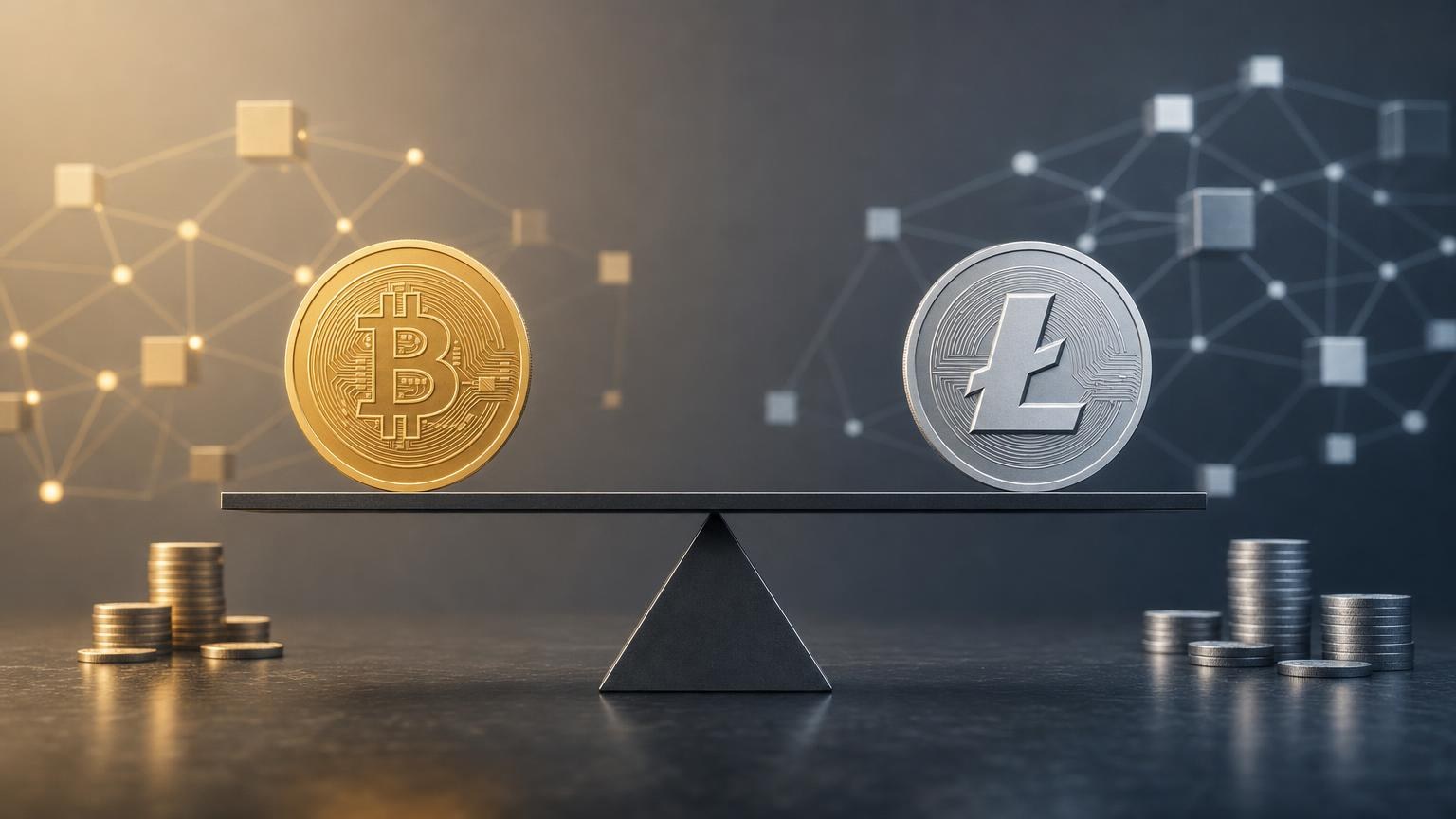
    Bitcoin and Litecoin transaction routes compared by confirmation speed, network fees, and exchange requirements

    When exchanging Bitcoin for Litecoin—or Litecoin for Bitcoin—the useful question is not simply which coin is “faster” or “cheaper.” An exchange operation crosses several checkpoints: the incoming transaction must reach the service, receive the required confirmations, pass any applicable compliance checks, and then be converted and sent over the destination network.

    That distinction changes the comparison. Bitcoin and Litecoin have relatively stable protocol characteristics, but the fee quoted by a wallet, the exchange rate, the required confirmation count, network congestion, service limits, and the availability of a particular direction are dynamic. They must be checked when the order is created.

    What can be compared fairly?

    Bitcoin and Litecoin are both proof-of-work networks built around unspent transaction outputs, or UTXOs. A transaction spends previous outputs and creates new ones; its network fee reflects the difference between input and output value. Bitcoin documentation also makes clear that fee selection is tied to transaction size and demand for block space rather than simply to the amount being transferred. [1]

    The cleanest comparison therefore separates three layers:

    • Protocol timing: the networks’ target intervals between blocks.
    • Current network conditions: mempool demand, fee-rate estimates, transaction size, and the time until a miner includes the transaction.
    • Exchange conditions: supported direction, quoted rate, service charges, limits, compliance requirements, and the number of confirmations required before processing.

    Bitcoin targets a block interval of roughly ten minutes, while Litecoin targets approximately two and a half minutes. These are averages, not deadlines. An individual block can arrive sooner or later, and a transaction can remain unconfirmed if its fee rate is not competitive. [2]

    Stop criteria: when a route does not fit

    Before comparing likely speed or cost, eliminate routes that fail a non-negotiable requirement.

    • The direction is unavailable. Support for BTC and LTC does not automatically mean that every pair, network, amount, or payout direction is available at all times.
    • The sender and recipient do not use the same network. A BTC address is not an LTC address. Choosing the wrong asset or destination format can cause an irreversible loss.
    • The quoted minimum, maximum, or expected payout does not suit the transaction. These values are dynamic and must come from the live order screen.
    • The required completion window is shorter than the confirmation policy allows. A shorter average block interval cannot override the exchange’s required number of confirmations.
    • The total quoted cost is unacceptable. A low blockchain fee does not compensate for an unfavorable exchange quote or another charge disclosed before order confirmation.
    • The transaction cannot satisfy applicable checks. Verification and compliance requirements can depend on the direction and the results of screening. They should be reviewed before creating the order.

    Decision matrix based on constraints

    Criterion Value for the task Which options pass or are filtered out Material limitation What to check before deciding
    Average time to the next block Matters when the exchange waits for on-chain confirmations LTC has the shorter target block interval; BTC may be filtered out when the narrowest possible average interval is essential Target spacing is an average, not a guaranteed arrival time Current mempool state and the exchange’s confirmation requirement
    Required confirmation depth Determines when an incoming deposit becomes eligible for processing Either network can pass, depending on the service policy for the asset and amount One LTC confirmation and one BTC confirmation do not necessarily represent the same acceptance policy The exact number of confirmations shown for the live direction
    Current network fee Affects the cost of sending funds into the exchange and may influence payout economics The route with the acceptable live fee estimate passes; neither asset wins permanently Fee conditions change, and the final transaction size depends on its inputs and outputs Wallet fee rate, estimated transaction size, service charge breakdown, and payout amount
    Transaction urgency Determines whether the user can wait for a lower-priority fee setting LTC may suit a time-sensitive transfer when all other requirements are equal; BTC can still pass if its live estimate meets the deadline Broadcasting is not the same as confirmation or completed exchange processing Estimated inclusion target, order expiry rules, and whether the quote can change
    Liquidity and quoted conversion Determines how much of the destination asset is expected Only the currently available direction with an acceptable quote passes Protocol speed says nothing about the exchange rate Rate type, quoted payout, validity period, limits, and all disclosed charges
    Address and network compatibility Prevents funds from being sent to an incompatible destination Only the exact asset and network specified by the order pass Similar-looking strings are not proof that an address belongs to the correct network Asset ticker, destination address, wallet support, and pasted-address integrity
    Compliance conditions Can affect whether and how the operation proceeds Only a route whose current requirements the user can satisfy passes Requirements may vary by direction, jurisdiction, transaction details, and screening result Current verification terms and local legal or tax obligations

    Why Litecoin often feels faster

    Litecoin’s shorter target interval creates more frequent opportunities for a transaction to enter a block. For an exchange that credits a deposit after a small number of confirmations, this can reduce the expected waiting time. The result is probabilistic: it should not be advertised as instant settlement.

    Confirmation count also needs context. If one direction requires more blocks than another, multiplying the block target by an assumed universal confirmation count will give a misleading estimate. The service’s live deposit policy matters more than a generic “BTC versus LTC” stopwatch.

    There is another delay that block spacing cannot explain. An exchange may detect a deposit quickly but wait before conversion or payout because the order is under review, the quote has expired, or an operational condition has changed. Those are service-layer issues, not evidence that either blockchain has stopped working.

    Why a lower network fee is not always the cheaper exchange

    Both networks use fee markets in which miners can prioritize transactions according to fee rate and other policy rules. Bitcoin Core exposes estimates for the fee rate needed to begin confirmation within a selected number of blocks, while Litecoin Core also uses historical transaction data for fee estimation. Estimates can be imperfect when conditions move quickly or insufficient data is available. [3]

    The amount being exchanged is not the main determinant of the sender’s blockchain fee. A wallet may need several UTXOs to fund one transaction, producing more input data and potentially increasing its size. A compact transaction moving a large value can therefore cost less than a fragmented transaction moving a smaller value.

    The full cost of a BTC-to-LTC exchange may include the fee paid to send BTC, the conversion terms shown by the service, and any disclosed payout or network charge associated with sending LTC. The reverse route has the same structure with the networks swapped. Compare the final expected payout, not one fee viewed in isolation.

    How one constraint can reverse the decision

    Consider a user whose first constraint is confirmation frequency. If the direction is available, the address is correct, and the quote is acceptable, LTC’s shorter target block interval may make the Litecoin leg preferable for moving funds under time pressure.

    Now change one requirement: the recipient must receive BTC because the destination wallet, invoice, or trading venue accepts only Bitcoin. Litecoin’s faster block target no longer solves the task. BTC becomes the necessary payout asset, and the practical decision shifts to selecting an appropriate live fee and allowing enough time for the required confirmations.

    Change the constraint again. Suppose timing is flexible, but the expected payout must remain above a fixed operational threshold. The appropriate choice now depends on live exchange terms and transaction-size-aware network fees. Either BTC or LTC may pass; neither has a permanent cost advantage that can be established from protocol design alone.

    There is no universal winner. Litecoin offers a structurally shorter average block interval. Bitcoin may be required by the destination or purpose of the transfer. The usable route is the one that survives every stop criterion and produces acceptable live terms.

    Final checks before sending

    First, confirm that the required BTC–LTC direction is currently offered. The service supports both assets, but that fact alone does not establish that every pair, limit, network, or direction is active for a particular order.

    Next, read the order details rather than relying on a previous transaction. Check the deposit asset, payout asset, address, required confirmations, amount limits, expected payout, quote conditions, disclosed charges, and any verification requirements. Network load and fee estimates can change between planning and broadcast.

    Verify the destination after pasting it. Clipboard-replacement malware and phishing pages can substitute an attacker’s address. Use the official service interface, compare the beginning and end of the address—and preferably the entire string—and never send BTC to an LTC destination or LTC to a BTC destination. Blockchain transfers are generally irreversible once confirmed.

    Finally, remember that cryptocurrency and fiat values can move while an operation is pending. Rules for crypto exchange, reporting, and taxation also differ between countries. This comparison explains transaction mechanics; it is not investment, legal, or tax advice.

    When the required asset, deadline, address, and acceptable total cost are clear, check the currently available BTC and LTC exchange directions and compare the live order terms before transferring funds.
  • How to Check a Litecoin Address Before Exchanging LTC


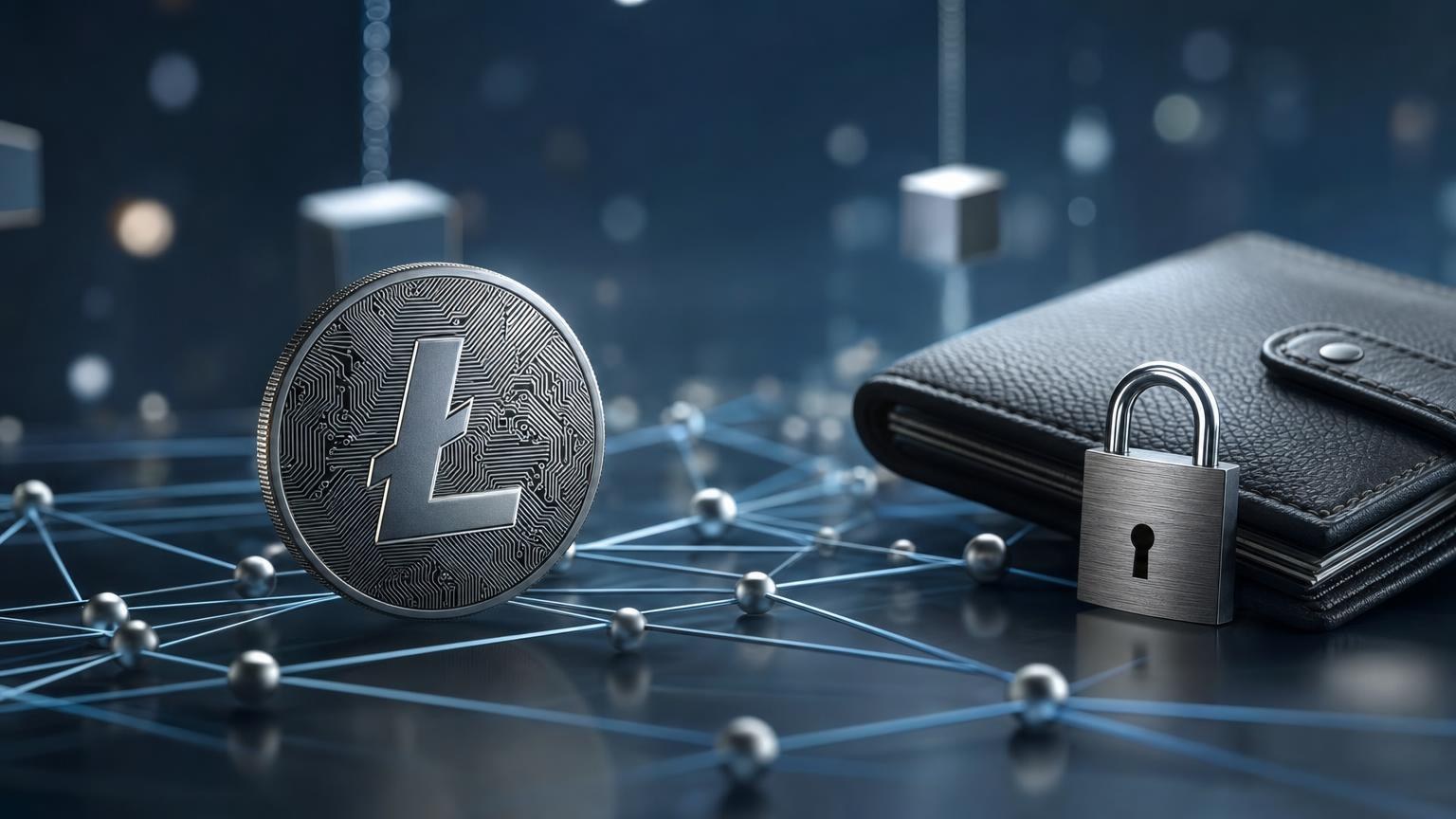
    A beginner checking a Litecoin receiving address, network, amount, and transaction details before sending LTC

    A Litecoin transfer should begin only after the receiving address, network, amount, and order details agree with one another. An address that looks plausible is not enough: it may belong to the wrong recipient, come from an outdated order, or use an address type that the receiving service does not accept. The safe result of this check is a complete match between the current exchange request and the final confirmation screen in the sending wallet.

    Operation state map

    1. Task: exchange LTC.
      1. Transition condition: you know whether LTC will be sent from your wallet to an exchange address or received into your wallet.
      2. Check: write down the direction of the operation before copying any address.
      3. Success sign: the exchange form and your intended action describe the same direction.
      4. Stop if: the form asks you to send a different asset, or you are unsure which side supplies the Litecoin address.
    2. Input data: current order instructions.
      1. Transition condition: the selected asset is LTC and the stated transfer network is Litecoin.
      2. Check: read the asset, network, receiving address, required amount, and any additional payment field directly from the active order.
      3. Success sign: all required details are visible and the order is still active.
      4. Stop if: the page is incomplete, the order has expired, or the pair or direction is no longer available.
    3. Address verification.
      1. Transition condition: a Litecoin receiving address has been generated for this operation.
      2. Check: copy it without editing, compare the beginning and end, then compare several characters in the middle. Let the sending wallet perform its own format validation.
      3. Success sign: the wallet accepts the address and the full value matches the order character for character.
      4. Stop if: the wallet rejects it, pasted characters differ, or the address changes unexpectedly after copying.
    4. Final transaction review.
      1. Transition condition: the accepted address has been entered in the wallet.
      2. Check: review LTC as the asset, Litecoin as the network, the destination address, the recipient amount, and the wallet’s displayed network fee.
      3. Success sign: the preview still matches the exchange instructions after the fee has been calculated.
      4. Stop if: the wallet changes the amount, selects another network, warns about an incompatible destination, or produces a different address.
    5. Action: broadcast the LTC transaction.
      1. Transition condition: every final-screen field has passed the comparison.
      2. Check: authorize the transfer once and record the order identifier and transaction ID.
      3. Success sign: the wallet shows a transaction ID and a sent or pending status.
      4. Stop if: no transaction ID appears or the wallet reports an error. Do not create a duplicate payment until the first attempt is understood.
    6. Waiting for network and service confirmation.
      1. Transition condition: the transaction ID can be inspected on a Litecoin blockchain explorer.
      2. Check: verify that the transaction output contains the intended address and amount, then watch its confirmation count.
      3. Success sign: confirmations increase and the exchange order recognizes the deposit.
      4. Stop if: the explorer shows another destination, another amount, or no matching Litecoin transaction.
    7. Confirmed result or recovery route.
      1. Transition condition: the service has received the required network confirmations and completed any applicable checks.
      2. Check: compare the final asset and amount shown in the completed order with its stated terms.
      3. Success sign: the order has a completed status and the expected asset is visible at the stated destination.
      4. Recovery route: if the blockchain transaction is correct but the order remains pending, preserve the transaction ID and order details and contact support. If the address or network is wrong, report the error immediately, without assuming recovery is possible.

    Confirm the asset and network before judging the address

    Selecting LTC in the wallet does not by itself prove that the route is correct. The order must also request a transfer on the Litecoin network. Tokens representing Litecoin on another blockchain are not interchangeable with native LTC for deposit purposes unless the receiving service explicitly supports that route.

    Litecoin Core supports several address types, including legacy, P2SH-SegWit, and bech32. Therefore, two valid Litecoin addresses do not necessarily have the same appearance. Address shape should be treated as an initial warning filter, not proof that the recipient and network are correct. [1]

    The receiving side decides which Litecoin address types and deposit methods it accepts. If an exchange order rejects an address type offered by your wallet, do not convert, shorten, or manually edit the address. Generate or request a compatible receiving address through the relevant wallet or service. Availability of a particular pair, network, or direction should be checked before creating the transaction.

    Check the Litecoin address without exposing wallet secrets

    Obtain the address from the active order rather than an old message, browser history entry, screenshot, or previous transaction. Deposit addresses may be replaced, and a valid old address is not automatically valid for a new order.

    • Use the copy button where available instead of selecting part of the text manually.
    • Paste the address into the destination field, then compare it with the source.
    • Check more than the first and last few characters; clipboard malware can create visually similar substitutions.
    • If possible, compare the address on a second trusted screen, such as the wallet device used to authorize the transfer.
    • Make sure a QR code and the accompanying text represent the same destination before scanning or sending.

    A wallet or Litecoin Core address-validation function can determine whether an address is structurally valid. That result does not identify the owner and cannot prove that the address belongs to the current exchange order. The order page remains the source for the intended recipient.

    Never provide a seed phrase, private key, wallet password, or remote access to anyone offering to “validate” an address. None of these secrets is required to compare a public Litecoin address or inspect a transaction ID.

    Memo, amount, and fee checks

    Do not invent a Memo, Tag, payment ID, or similar value. If the receiving instructions display an additional identifier, copy it exactly and confirm that your wallet supports the required field. If no such field appears, adding arbitrary text cannot make the payment safer. When the order requires an identifier but the wallet provides no place to enter it, stop and ask the receiving service what route is supported.

    Next, distinguish the amount sent from the amount received. A wallet may add the network fee on top of the entered amount or subtract it from that amount. Read the final preview rather than assuming how the wallet handles fees. Stop if the recipient amount falls below the amount required by the order or if the total debit exceeds what you intended to authorize.

    Exchange conditions, available directions, fees, limits, and verification requirements may change. They can also depend on the operation and the outcome of compliance checks. Review the current terms before opening an order rather than relying on details from an earlier transaction.

    The last checkpoint before sending LTC

    The final confirmation screen is the last point at which an ordinary mistake can be corrected without involving a broadcast transaction. Compare the screen with the active order one field at a time:

    • asset: LTC;
    • network: Litecoin;
    • destination: exact current order address;
    • recipient amount: consistent with the order;
    • additional identifier: included only when explicitly required;
    • network fee and total wallet debit: understood and accepted.

    Also check that you remain on the original task. The route no longer matches if the interface switches from sending LTC to buying another asset, proposes a different network, asks for a seed phrase, or redirects you to an unrelated payment method.

    Once these checks are complete, you can create an LTC exchange request and review its current payment instructions. Copy the address only from the newly created request and repeat the final comparison before authorizing the wallet.

    How to diagnose a delayed or incorrect transaction

    No transaction ID was created

    The transfer may not have been broadcast. Reopen the wallet and inspect its activity or transaction history. If the balance changed but no transaction ID is visible, follow the wallet provider’s support procedure. Do not send the same amount again merely because the first screen closed or appeared to freeze.

    The transaction ID is not found

    Confirm that you are searching a Litecoin transaction ID on a Litecoin explorer, not an explorer for another blockchain. Copy the ID again from the wallet and check for missing characters. A newly submitted wallet operation may also remain local if broadcasting failed. Until its status is clear, treat a second send as a possible duplicate.

    The transaction is visible but unconfirmed

    A transaction can appear in the network before it is included in a block. Litecoin transaction data can include a transaction ID, outputs, block information, and a confirmation count; the count increases as further blocks are added after inclusion. [2]

    There is no universal confirmation requirement for every exchange. The receiving service chooses how many confirmations it needs, so use the order status rather than an assumed number. A low fee or temporary network conditions may affect how quickly a transaction is included, but a precise completion time should not be promised.

    The transaction is confirmed but the order is still waiting

    Compare the explorer output with the order address and required amount. If both match, the remaining delay may involve internal processing, an expired order, amount recognition, or applicable compliance review. Send support the order identifier and transaction ID. Screenshots may help document what the interface displayed, but they do not replace blockchain records.

    The address, network, or amount is wrong

    Stop creating further transactions and contact the wallet and receiving service promptly. A broadcast blockchain transaction cannot normally be edited by changing the address in the wallet afterward. Whether recovery is technically possible depends on who controls the destination and whether the receiving system supports the route. Do not accept anyone’s promise of guaranteed recovery, and never disclose private wallet credentials as part of a recovery request.

    What counts as a completed route

    The route is complete when the Litecoin transaction is visible on the correct blockchain, its output matches the intended address and amount, the receiving service has obtained its required confirmations, and the exchange order shows a completed result at the chosen destination.

    Some uncertainty can remain while confirmations accumulate or while the service performs operational or compliance checks. Those conditions are separate from address validity. Preserve the transaction ID and order identifier until completion, and use them to diagnose a delay without resending LTC or exposing wallet secrets.

  • Hacked by CoupDeGrace

    Hacked by CoupDeGrace

    Greetz:

    Hmei7, BrokenPipe, SimSimi, L4663r666h05t, AntonKil, d3b~x, Index Php, Mdn_Newbie, Sultan Haikal, Brian Kamikaze

  • Hello world!

    Welcome to WordPress. This is your first post. Edit or delete it, then start writing!